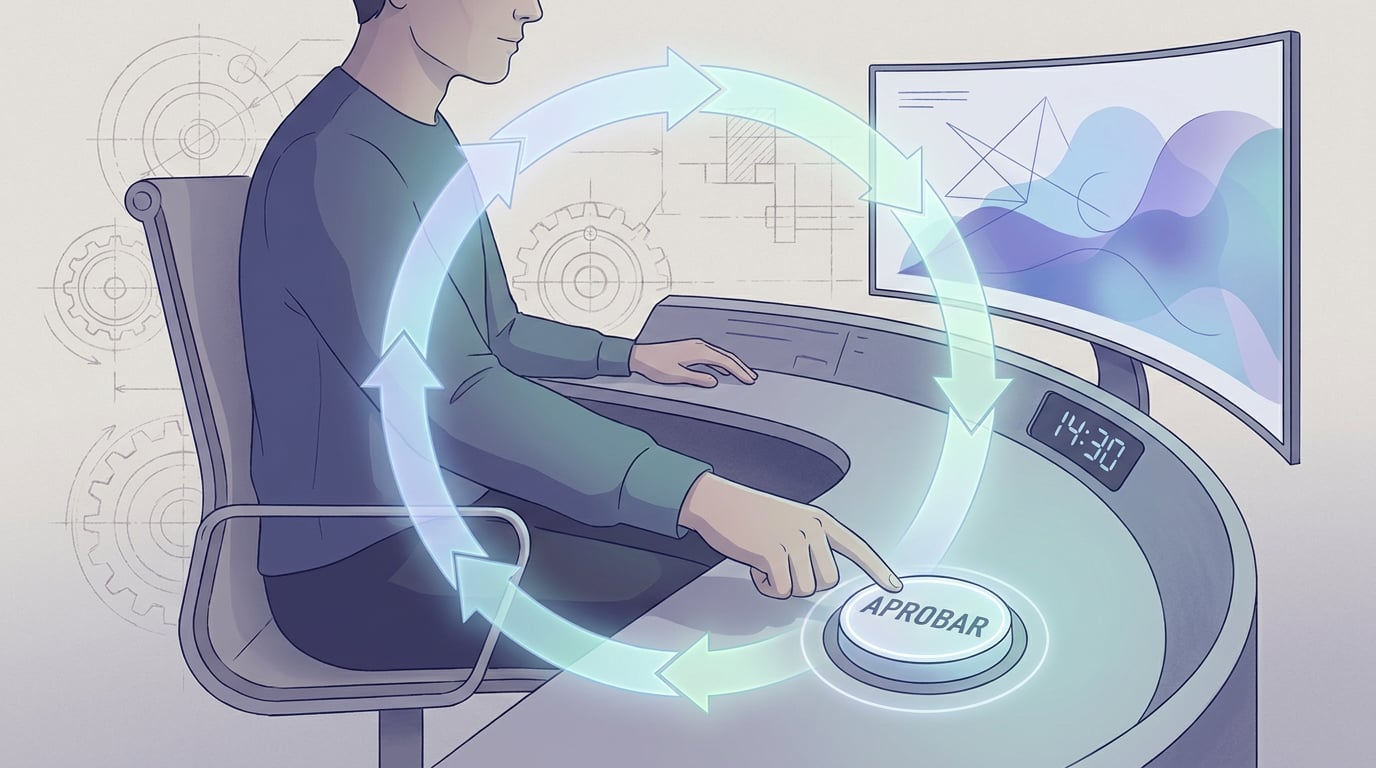
Every time an AI agentAI AgentsSystems that execute multi-step tasks without constant supervision drafts an email and waits for someone to click "Send", there is an idea behind it that is over seventy years old. It is called HITL, Human-In-The-Loop, "the human in the loop". Today it sounds like artificial intelligence jargon, but it was born in control engineering, among servomechanisms, flight simulators and defence systems. Understanding where it comes from helps to understand why it matters so much now.
The key word is "loop"
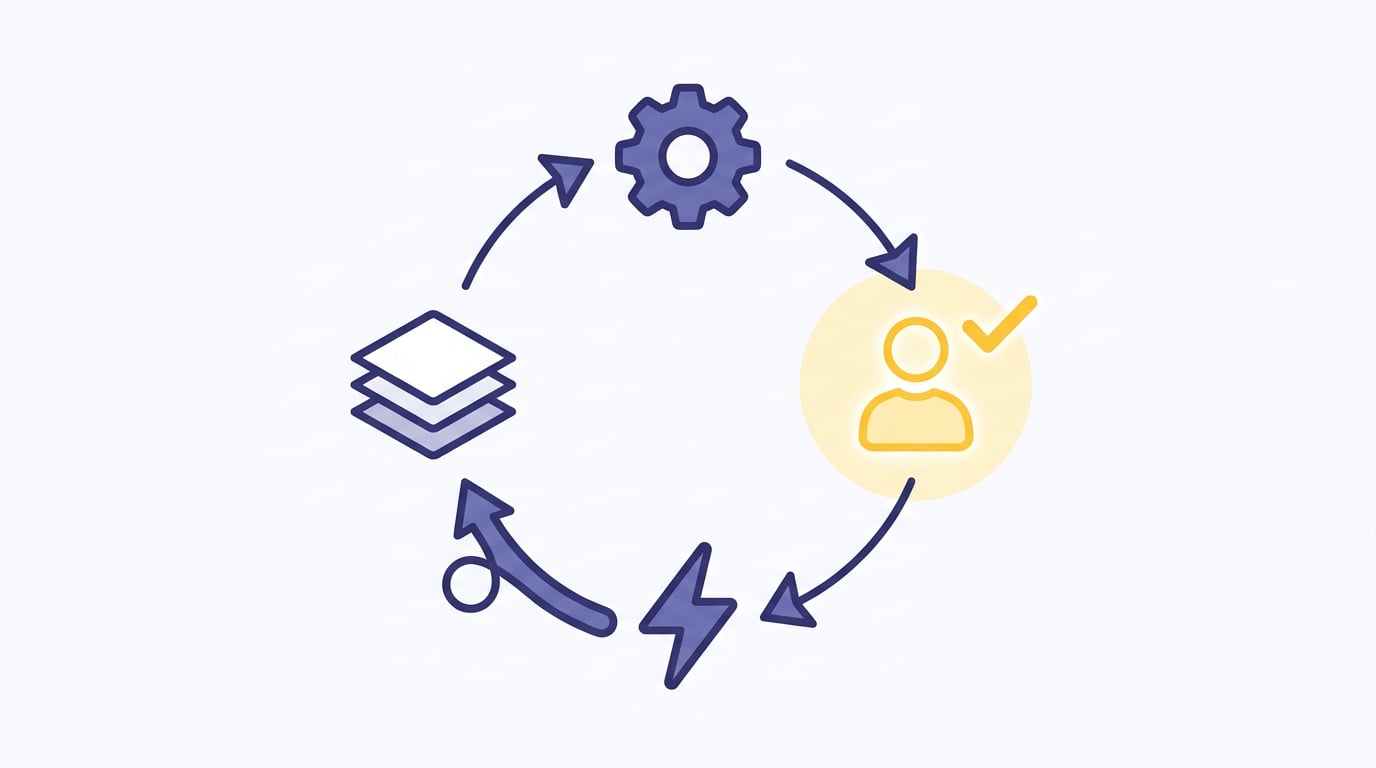
In control theory, a loop is a closed circuit: the system acts, measures the result and uses that measurement to correct the next action. It is feedback, the same idea that makes a thermostat turn the heating on or off based on the temperatureTemperatureParameter that controls AI creativity vs. precision it reads.
When a person is an active part of that circuit, observing, interpreting and deciding, they are said to be in the loop. They are not watching from the outside: without their decision, the loop does not close.
The roots: control engineering, from the 40s to the 60s
The idea of studying the human being as just another part of a control system predates the term itself. In 1947, the British engineer Arnold Tustin published a paper on how an operator tracking a target with a manual control responds, describing it with the same tools used for servomechanisms. In 1948, Norbert Wiener popularised feedback as a common principle for machines and living beings with his book Cybernetics. In the 50s and 60s, researchers such as Duane McRuer and Ezra Krendel built mathematical models of the pilot as part of the aircraft's control loop.
This led to two uses that popularised the term:
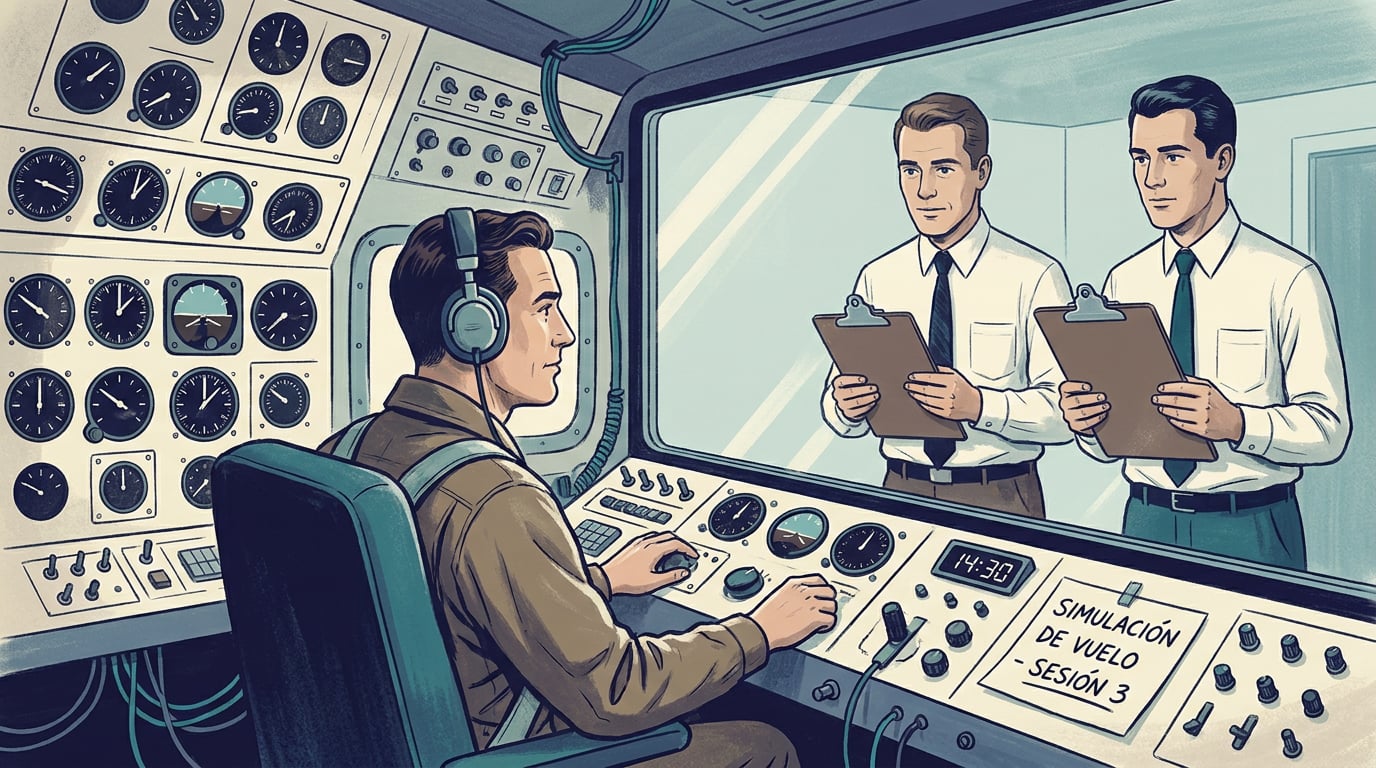
- Military and aeronautical simulation. In the literature of flight simulators and weapons systems, they refer to man-in-the-loop simulation: simulations in which a human operator makes real-time decisions within the system, instead of simulating everything by computer.
- Semi-automatic systems. Automation does part of the work, but an operator supervises or approves critical actions.
Over the years, "man" became "human", and man-in-the-loop became human-in-the-loop.
Not to be confused with "hardware-in-the-loop"
In engineering, there is also hardware-in-the-loop (HIL): testing a real physical part, for example a car's electronic control unit, connected to a simulated environment. The logic is the same—putting something real inside the loop—but what you put in is a component, not a person.
Degrees of automation: how much decision-making is left to the person
In 1978, Thomas Sheridan and William Verplank from MIT proposed a scale of automation levels ranging from "the person does everything" to "the machine decides and acts without telling anyone". In between, there are intermediate levels, such as the machine suggesting options, executing only if the person approves, or acting and then informing. This scale is the basis of today's conversation: it is not about whether there is automation, but where the person fits in.
Adoption in AI and machine learning, from 2010 onwards
The artificial intelligence community adopted the term to describe systems in which a person:
- Labels data that the model does not know how to classify, as in active learning.
- Validates predictions before they have consequences.
- Corrects errors so that the system learns from them.
Reinforcement learning from human feedbackRLHFReinforcement Learning from Human Feedback, used to fine-tune large language models, is also a way of putting people inside the training loop. And regulation has picked up on the idea: the EU AI Act requires human oversight in high-risk systems (Article 14), something we explain in AI Act: protect your company and comply with the law.
In, on or out of the loop
In the debate on autonomous systems, especially from 2012 onwards with the international discussion on autonomous weapons, three expressions became established that are used in any sector today:
| Term | What it means |
|---|---|
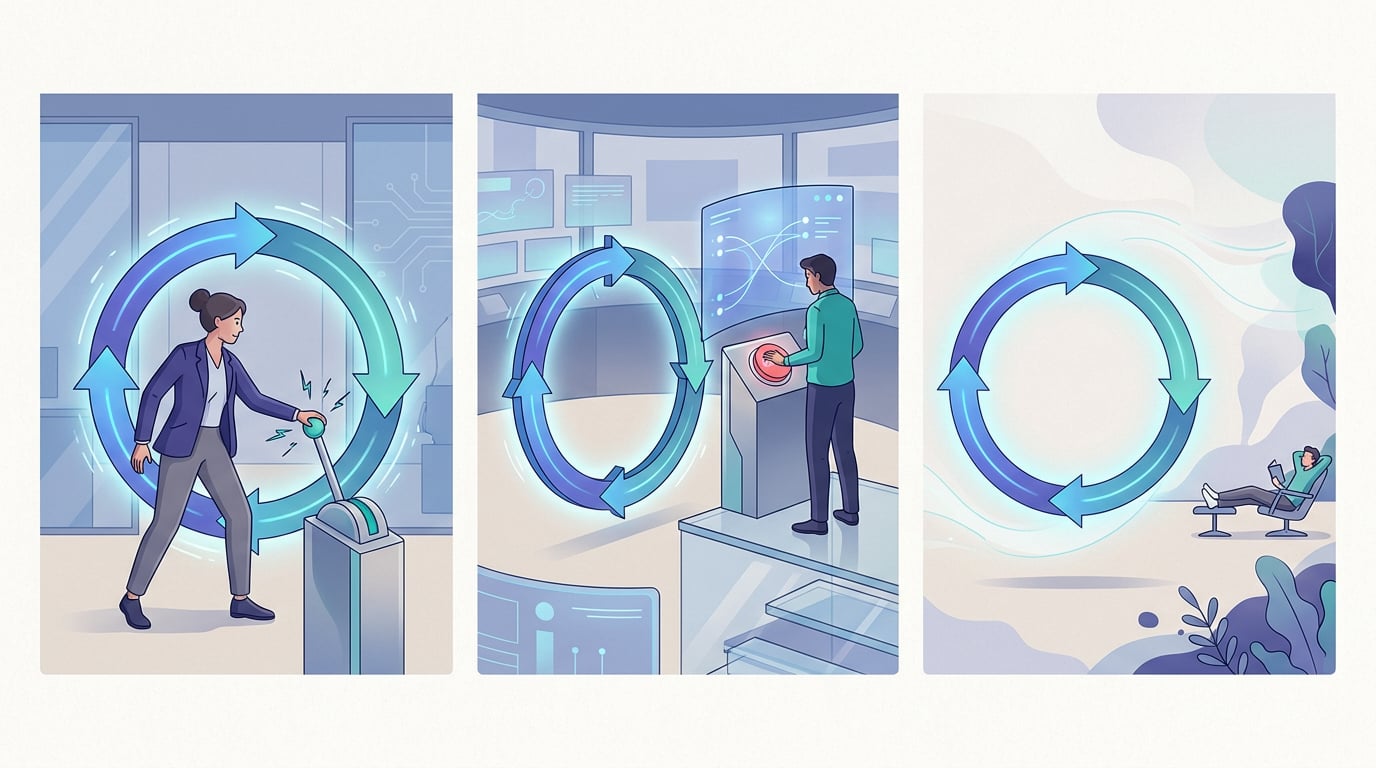
| HITL, Human-In-The-Loop | The person actively participates: the system does not act without their decision. |
| HOTL, Human-On-The-Loop | The system acts on its own and the person supervises, with the ability to intervene or stop it. |
| HOOTL, Human-Out-Of-The-Loop | The system operates completely autonomously, without human intervention. |
How it is applied in NAiOS
At NAiOS, we use all three positions, each where it makes sense, with a non-negotiable rule: reading, searching and preparing can be automatic; taking external action requires a person.
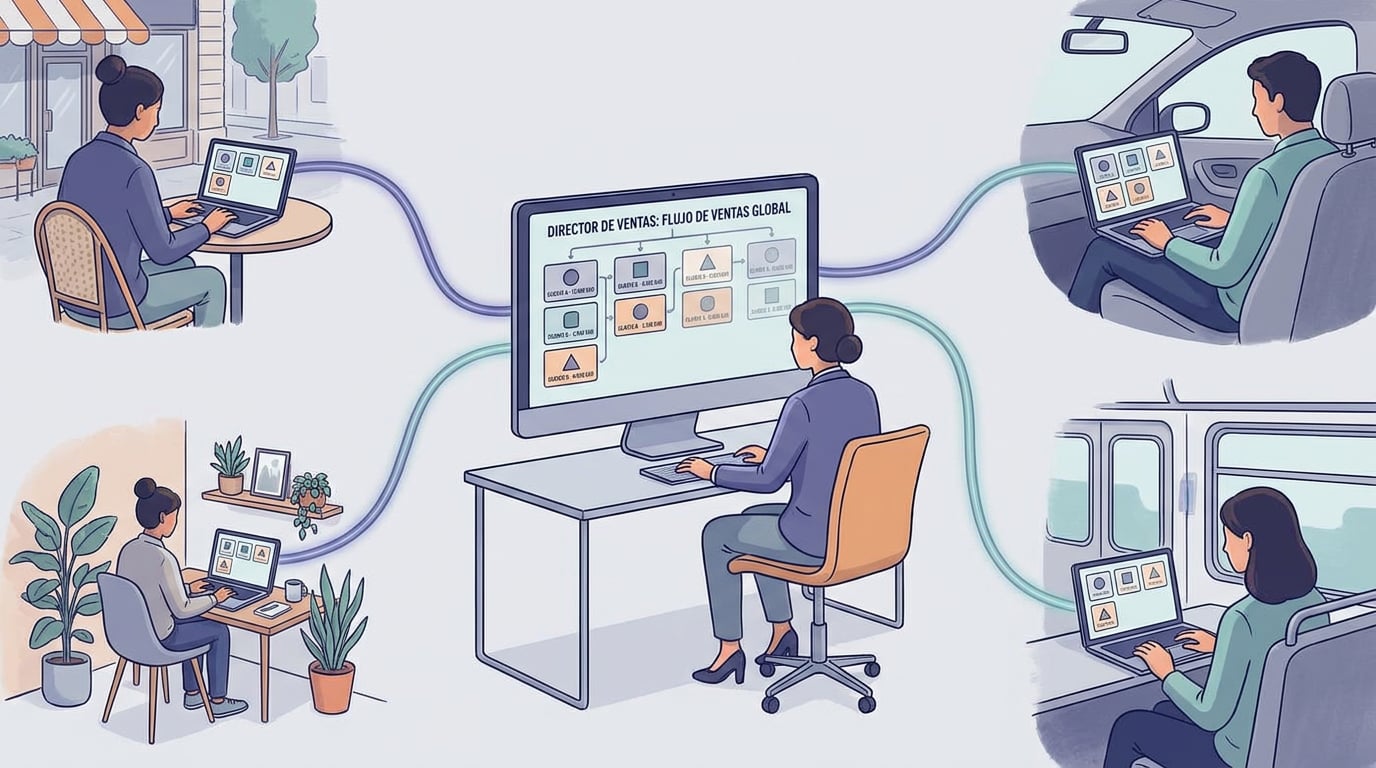
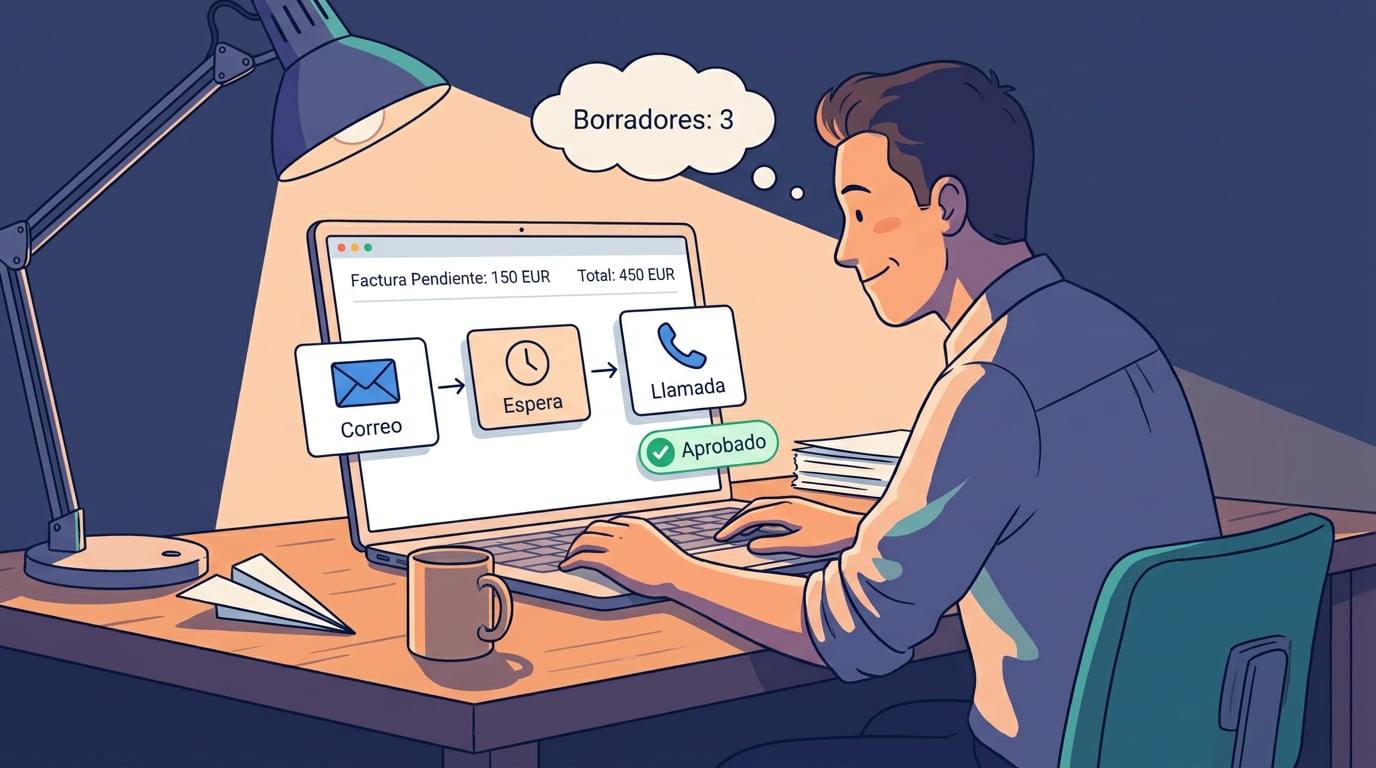
In the loop, for everything that has an effect. NAiOS agents read, analyse and prepare work autonomously, but sending an email, publishing or writing to an external service always waits for your approval. In NAiOS Mail, replying, sending or forwarding requires your explicit confirmation, even when suggested by an agent. In NAiOS Connectors, actions with external effects stop at a card showing what is going to be done and with which account. And in the ERP, issuing an invoice always requires confirmation.

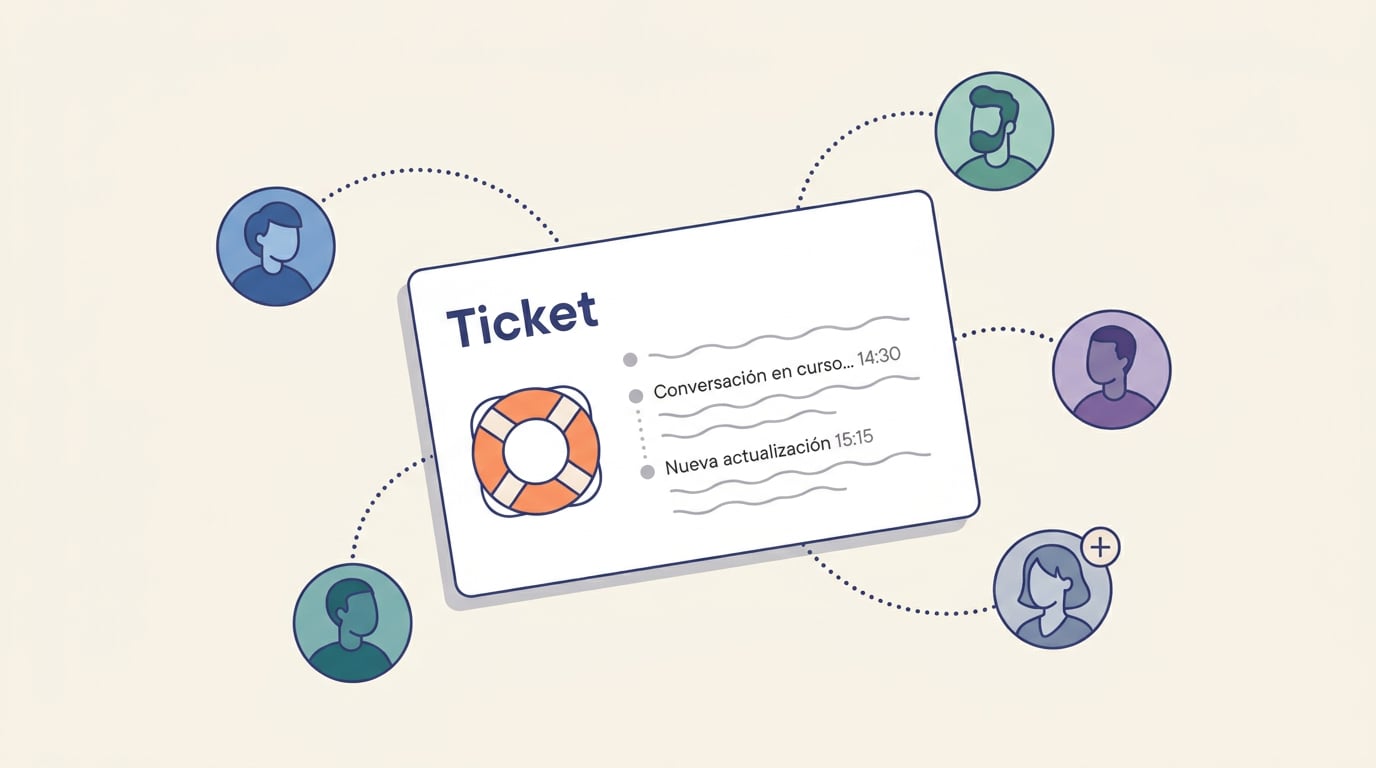
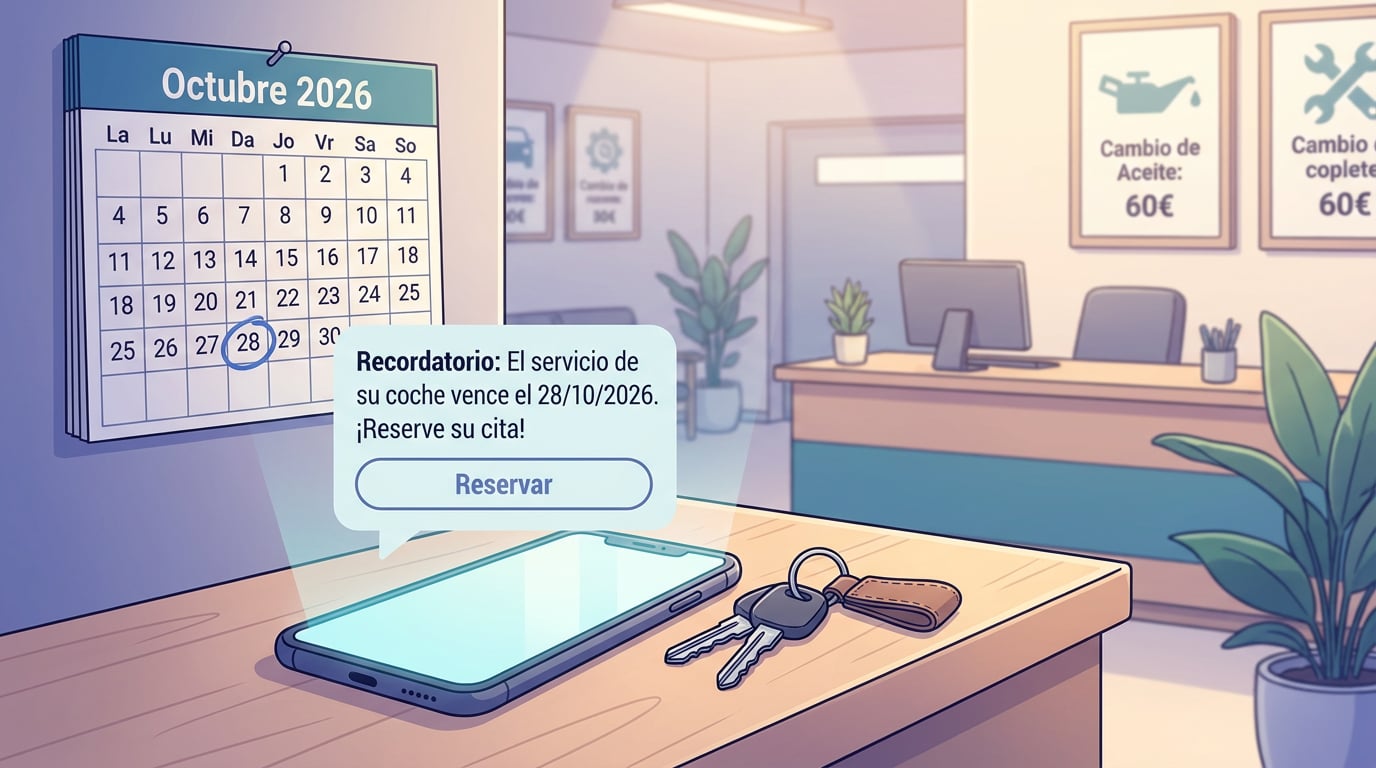
On the loop, when you choose. In Campañas, date-based reminders can be set to "I review each send", in which case each one waits for your approval, or with automatic approval within the rule's schedule, in which case you supervise. The Campañas watchkeeper reviews active sequences and alerts you, but never sends, approves or pauses on its own. In OmniChat, the agent responds to your customers on its own and automatically pauses when you join the conversation.
Out of the loop, only for reading. Summarising the morning's email, gathering data or searching your documentation can be done without anyone present, because nothing changes outside your account.
If you want to bring this way of working to the rest of your company, we explain it step by step in How to turn your SME into a HITL company.
In summary
- The key word is loop, the control loop with feedback.
- The nomenclature describes where the person is positioned in relation to the decision circuit: in, on or out.
- It was born in control engineering and simulation from the 40s to the 60s, with the human operator modelled as part of the system.
- AI adopted it to label, validate and correct, and European regulation has made it an obligation for high-risk systems.
- At NAiOS, the AI prepares and the person decides: everything that takes external action goes through a person.