Signing a contract in 2026 still looks too much like 2006: print, sign, scan, reply to the email… or pay for a signature platform that knows nothing about your company. NAiOS Firma is the electronic signature envelope of the whole NAiOS platform, born with two obsessions: signing should be frictionless for the signer, and the evidence should carry weight for whoever needs it.
The envelope: a snapshot nobody touches
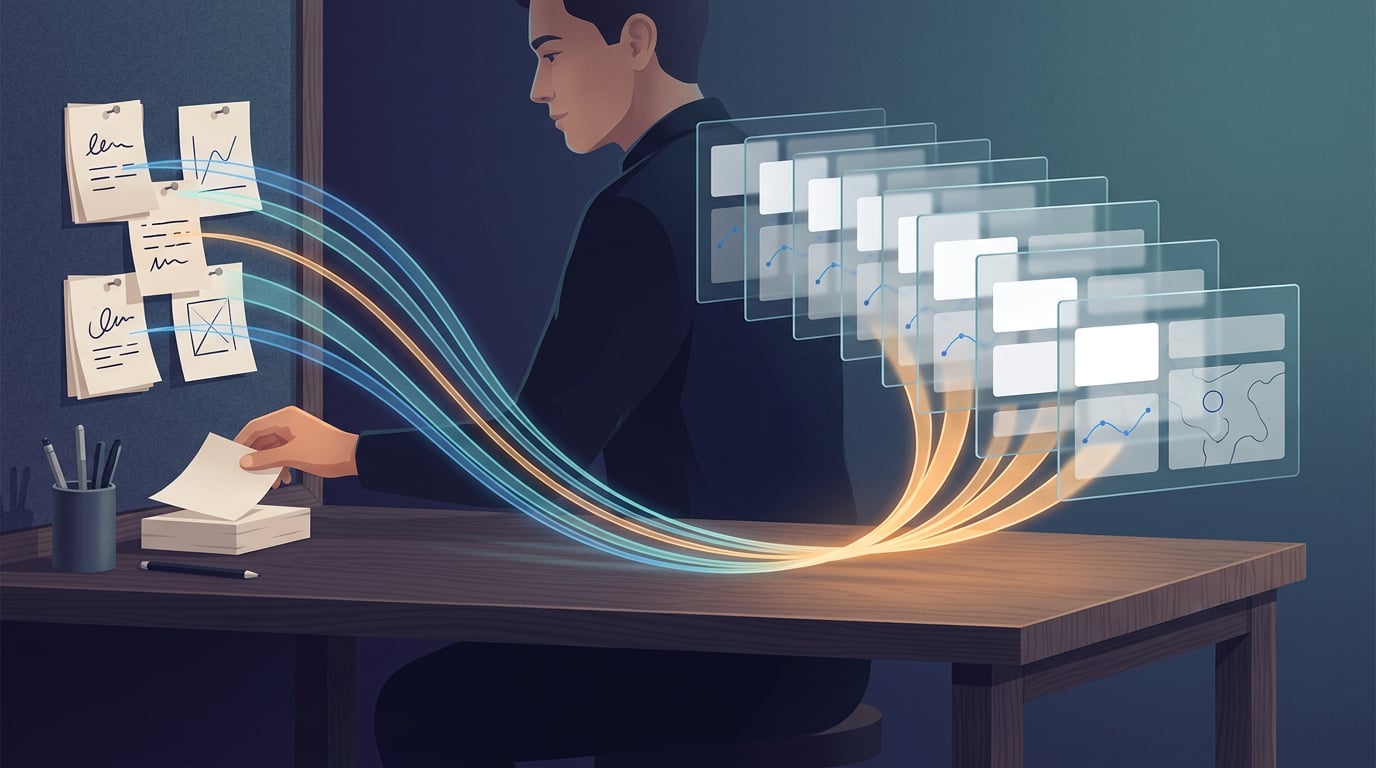
You send a PDF, add the signers —in order, one after another, or all at once— and Firma freezes a snapshot of the document with its SHA-256 fingerprint. That is THE document being signed: if anyone changes it, the fingerprint changes, and a new envelope is needed. There is never an "updated version" on top of existing signatures — that's a design red line, not an option.
Signing with no accounts, no apps, no printer
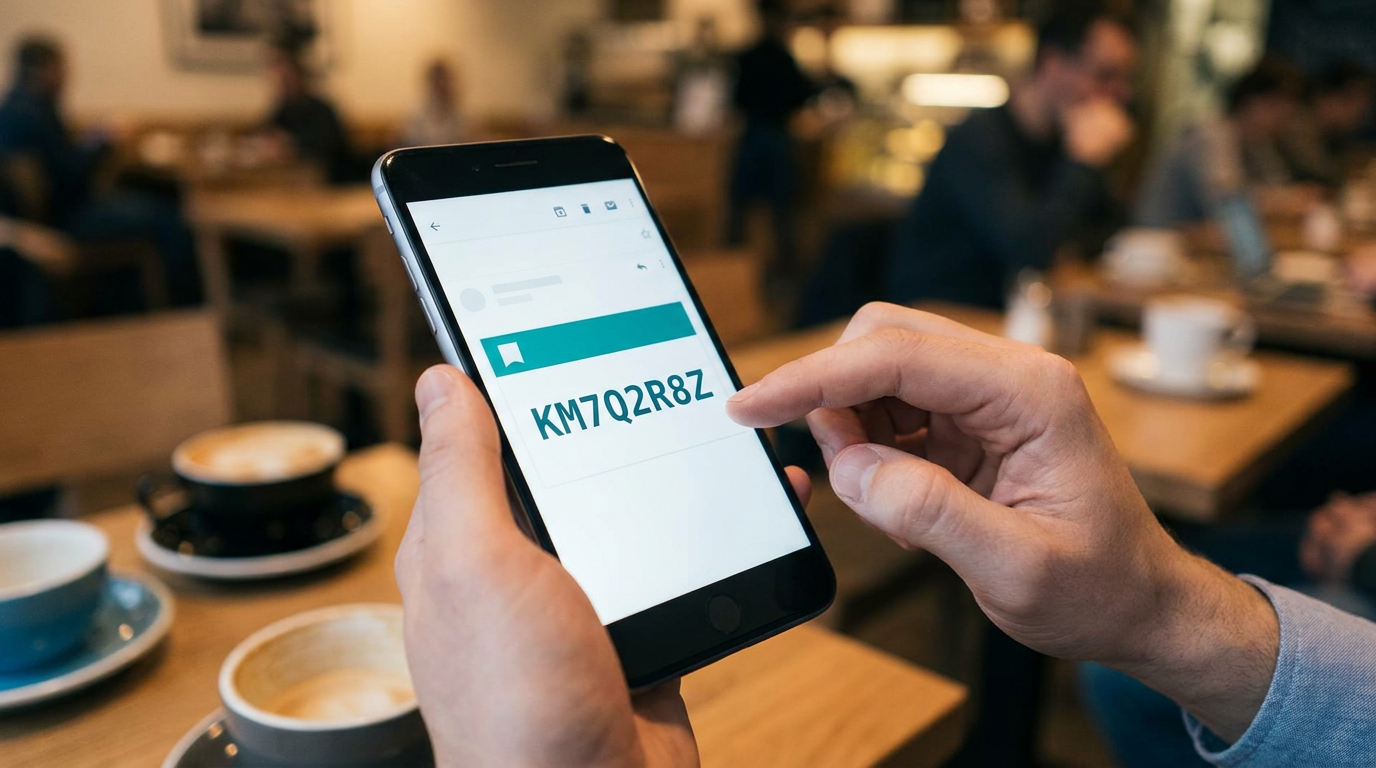
Each signer gets their link by email. They open it, see the document exactly as it was sent, and to accept they request a one-time code delivered to their inbox — eight characters, short expiry, constant-time verification. They type it and sign. Or they reject with a reason, which is recorded too. No sign-ups anywhere, nothing to install.
The chained record: evidence that carries weight
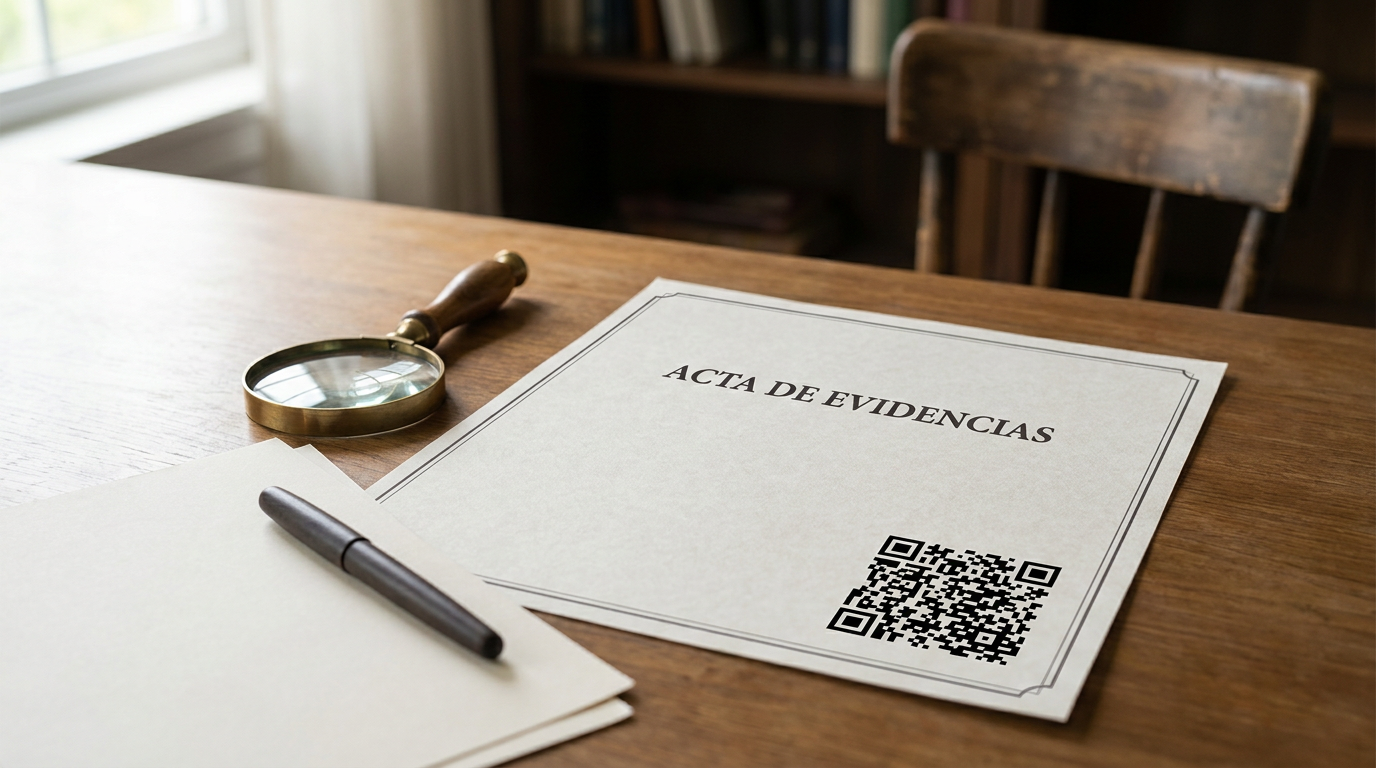
Here is the heart of the module. Every step —the envelope's creation, every signature with its verified code, IP, device and exact moment, every rejection, every expiry— is recorded as an event whose SHA-256 fingerprint is chained to the previous one. Tampering with a single link breaks every fingerprint after it, and it gets detected. When the envelope closes, the evidence certificate PDF is generated with a QR code pointing to the public verification page: anyone —a judge, an auditor, the other party— can check the record is intact, with the chain recomputed at that very moment.
Honesty about the level
This is an electronic signature with an evidence record — the eIDAS regulation admits it as evidence, and its probative weight comes from the evidence and its tamper-proof chain. It is not a qualified signature (QES), and neither the interface nor the certificate ever claims otherwise: the honesty is written into the document itself. When a client requires QES, a qualified-provider driver will arrive. Meanwhile, for the NDAs, service contracts and everyday acceptances, the evidence does the job — verifiably, by anyone.
The details you don't see
Envelopes expire on their own when the deadline passes. Distracted signers get automatic reminders — and every reminder rotates the link: the old one stops working. Links are never stored in the clear (only their hash), the one-time code is consumed atomically, and no identity document is ever requested or stored: the record is hash plus evidence, nothing more.
Cross-platform by birth
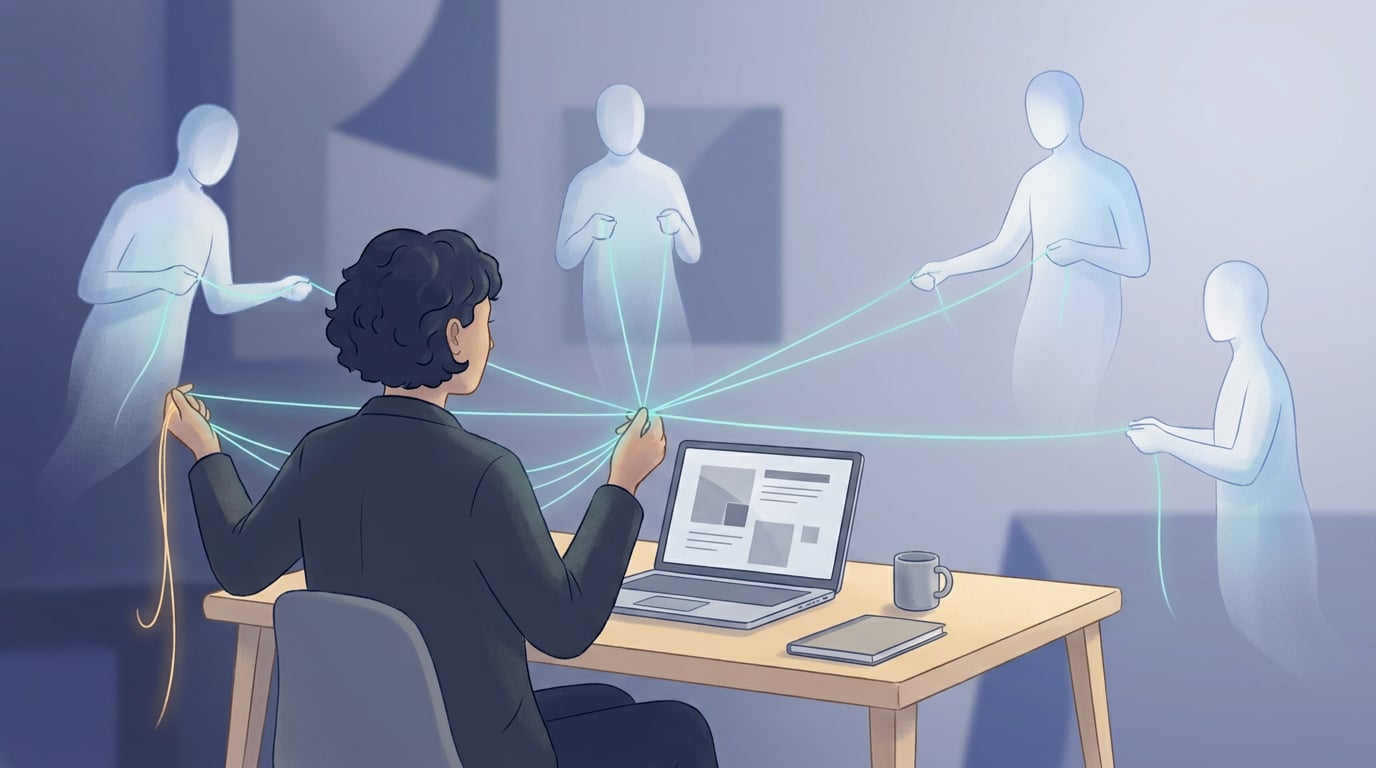
Firma is not an island: it's a capability of the whole suite. NAiOS Legal is its first consumer —a "Send to signature" button on every case file, with the certificate returning as an attachment on completion— and HR (employment contracts), the ERP (accepted quotes) and Gestoría (authorisations) are next. A signature envelope only needs a document's fingerprint: it doesn't care which module it came from.
Available now
NAiOS Firma is live at chat.naios.net: an envelope panel per company, sending from Legal or with any PDF, and public verification of the record. Frictionless signing, with evidence that carries weight.