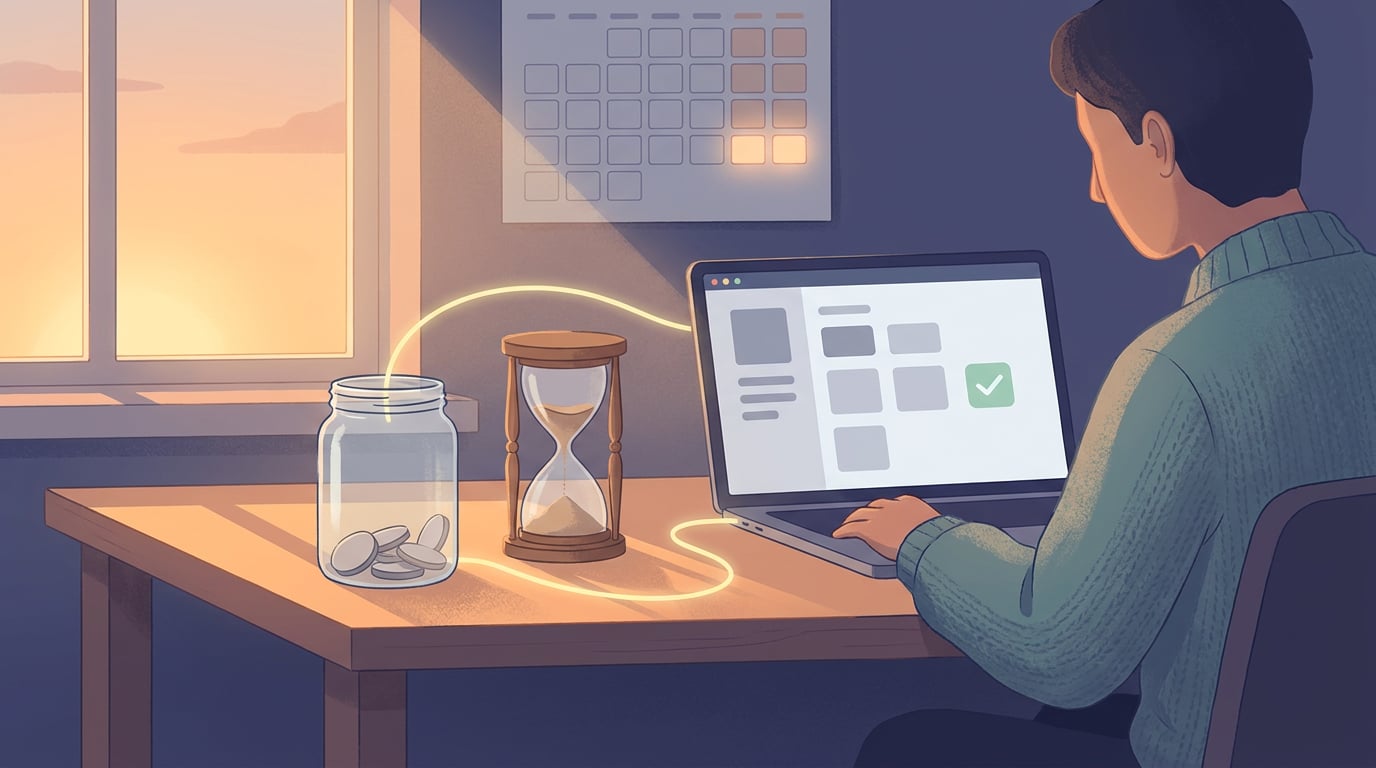
We are not just talking about programming faster. We are talking about creating applications aligned with the business's "vibe": its real operations, internal culture, data, and daily decisions. Especially for SMEs, this new way of developing software marks a strategic difference.
What is vibe coding and why does it matter now?
Vibe codingVibe CodingProgram by describing what you want and letting the AI write the code is a way of creating software where technology adapts to the business, not the other way around. It starts from a simple yet powerful idea: if today we can build applications with the help of AI, why continue using generic tools that don’t quite fit? Thanks to generative AI and advanced low-code/no-code environments, it is no longer necessary to undertake long, expensive, and rigid development projects. Now it is possible to: Create internal applications in days, not months Adjust them on the fly based on actual use Design them around specific processes Integrate them with existing systems (ERP, CRM, BI…) Vibe coding focuses on how your team actually works, not on how it "should" work according to a standard tool.
Custom applications: a competitive advantage for SMEs
Large companies have always had technical teams capable of developing their own software. SMEs have not. This has historically forced them to work with closed solutions, often oversized or poorly adjusted. Today that barrier has disappeared. Creating custom applications is no longer a luxury: it is a direct lever for efficiency, control, and differentiation. Especially when the application is born integrated with existing data and processes.
5 examples of custom applications for SMEs
1. Intelligent meeting management An internal app where participants, objectives, agreements, and tasks are defined, connected with calendars and internal documentation. Result: fewer unproductive meetings and more actionable decisions. 2. Sales co-pilot connected to the CRM An application that analyzes opportunities, proposes personalized messages, summarizes meetings, and prioritizes leads based on real data, not intuitions. 3. Operational control app for management A dashboard that answers natural language questions like: “Where are we losing margin?” or “Which orders are at risk this week?”, cross-referencing data from ERP and BI. 4. Document management with AI and compliance An app that allows consulting contracts, regulations, or internal procedures with permission control, references to documents, and total traceability. 5. Internal onboarding and training tool by role Applications that guide new employees according to their function, with access only to the information they need and contextual learning. In all these cases, the value is not in the technology itself, but in how it adapts to the real flow of the business.
The common mistake: creating isolated apps
Many companies make the same mistake: they develop small applications or automations without integrating them into a common system. The result is the same as always: silos, duplications, and lack of control. The true potential of vibe coding appears when applications: - Share data - Respect permissions and roles - Are governed from a single environment - Scale without redoing what has already been built
This is where the concept of AI integrator comes in.
NAiOS App Builder: create applications with AI, in an integrated way
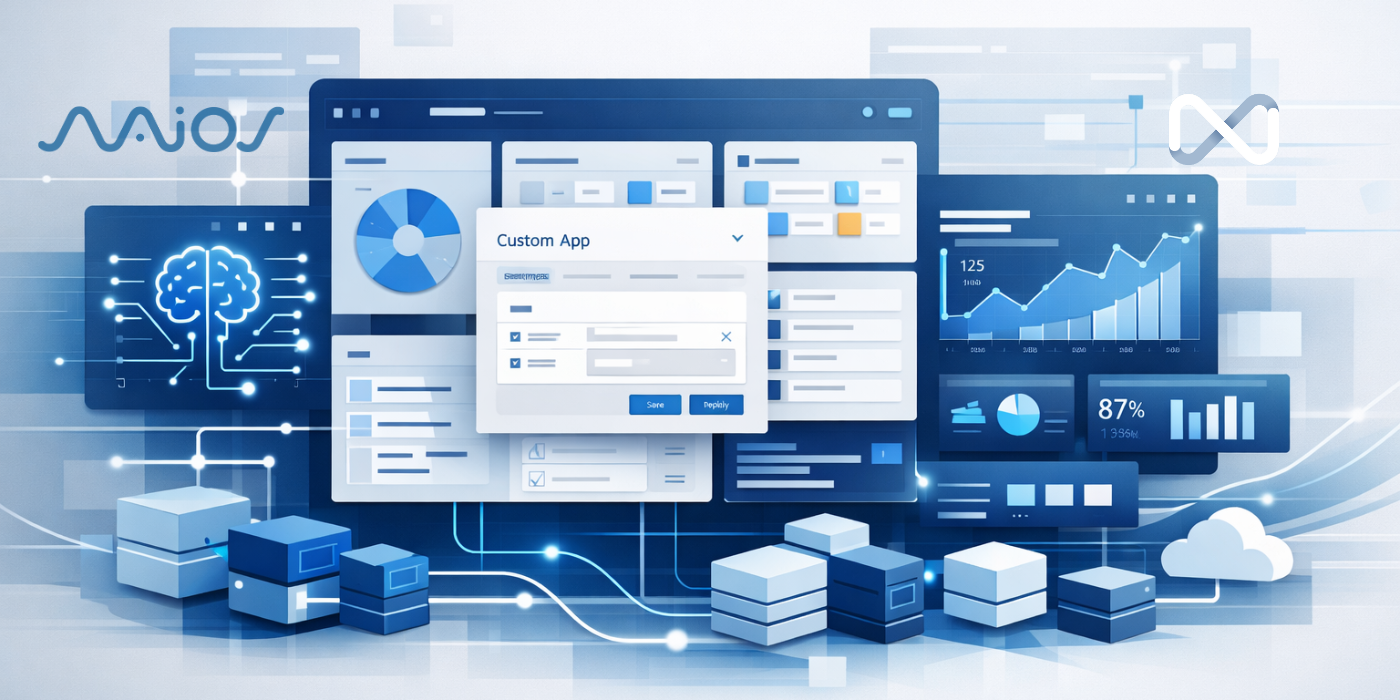
At NAiOS, we take it a step further. The platform incorporates App Builder, a feature that allows you to create custom applications inside and outside of NAiOS, maintaining control, security, and integration with the rest of the system. With App Builder you can: Create internal apps tailored to your processes Integrate them with your current systems without redoing them Use generative AIGenerative AIArtificial intelligence that creates new content (text, image, video, audio) to accelerate development and evolution Control access, costs, and usage from a single panel Scale what works and discard what does not add value
It is not about creating software for the sake of creating. It is about designing tools that work hand in hand with your teams from day one.
Conclusion: the software of the future looks like your company
The future does not belong to those who accumulate more tools, but to those who integrate them better. Vibe coding and the creation of custom applications allow SMEs to compete with a historic advantage: software designed exactly for their reality. With NAiOS and its App Builder, that possibility stops being theoretical and becomes operational. Real applications, for real companies, with measurable impact from the start.
FAQs – Frequently Asked Questions
Do I need a technical team to create apps with NAiOS? No. NAiOS is designed for business users, with technical support when necessary. Can the applications be integrated with existing ERP or CRM? Yes. NAiOS integrates over your current stack, without the need for structural changes. What is the difference between App Builder and traditional no-codeNo-Code AIAI tools that require no programming to use tools? App Builder is part of an AI integrator: it shares data, governance, security, and scaling with the rest of the platform. Can I start with a small app and scale later? That is the recommended approach: functional pilot first, modular evolution later. Is it safe to create applications with AI on internal data? Yes. NAiOS applies governance and security by design, with access control, traceability, and private deployment if required. If you want to integrate AI into your company safely and profitably, but don’t know how to start, contact info@netretina.ai